Empowering Mothers: General Awareness & Traditional Food Supplement Distribution Program
Area Covered: Baori Block, Jodhpur District
Project Period: September 2024 to December 2024
Implementing Organization: Winners Education Society
- Executive Summary:
This report summarizes the “Empowering Mothers” project, an initiative focused on improving maternal health and nutrition in the Baori block of Jodhpur district. Recognizing the crucial role of adequate nutrition during pregnancy, the project aimed to address the nutritional needs of 150 underprivileged pregnant women who lacked access to proper nourishment. The project involved distributing traditional food supplements known for their nutritional benefits during pregnancy and conducting general awareness sessions on maternal health and nutrition. This report details the project’s objectives, implementation strategy, outcomes, and future recommendations.
- Project Objectives:
- To improve the nutritional status of 150 pregnant women in the Baori block.
- To raise awareness about the importance of proper nutrition and maternal health during pregnancy.
- To promote the consumption of traditional, locally available food supplements beneficial for pregnant women.
- To empower women with knowledge about healthy pregnancy practices.
- Target Beneficiaries:
The project targeted 150 pregnant women in the Baori block of Jodhpur district who were identified as being unable to afford adequate nutrition during their pregnancy. The selection criteria for beneficiaries included:
- Economic vulnerability
- Lack of access to nutritious food
- Stage of pregnancy (prioritized based on need)
- Project Implementation:
- Awareness Sessions: 20
- These sessions covered topics such as:
- Importance of balanced diet during pregnancy
- Benefits of traditional food supplements
- Hygiene and sanitation during pregnancy
- Antenatal care and check-ups
- Common pregnancy-related discomforts and remedies
- Distribution of Food Supplements: The following traditional food supplements were distributed to the beneficiaries:
- Badam (Almonds)
- Ghee (Clarified Butter)
- Sounth (Dry Ginger Powder)
- Coconut (Dried/Fresh)
- Ajwain (Carom Seeds)
- Singhada (Water Chestnut)
- Gund (Edible Gum)
- Khaskhas (Poppy Seeds)
- [Add any other items distributed]
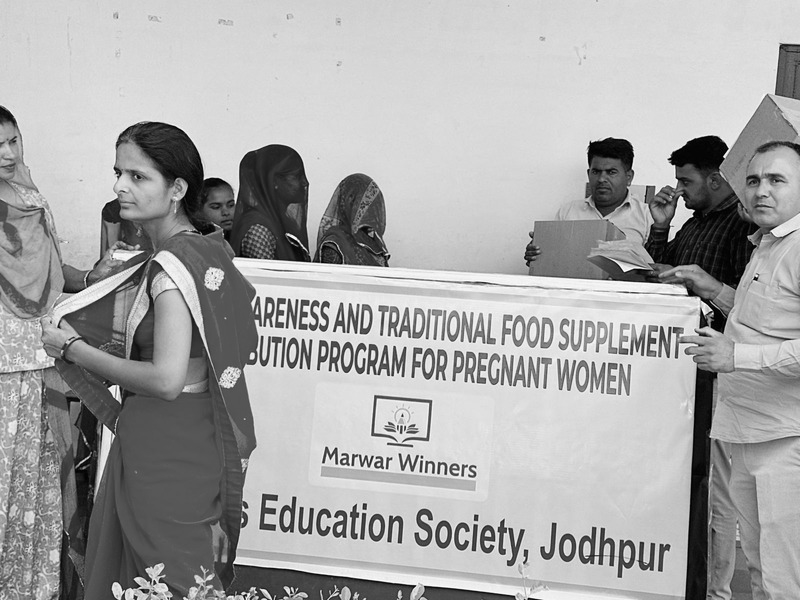
The distribution was carried out to pregnant ladies as a nutrient kit during pregnancy period at villages of Baori Block.
- Monitoring and Evaluation: Selection of needful ladies was done with government hospital record and feedback received from local authorities.
- Expenditure:
The entire expenditure for this project was borne by the members of Winners Education Society. Total Rupees 1192500/- spent for this Nobel Couse.
- Project Outcomes:
- Improved Health Indicators: A noticeable increase in energy levels was reported by a majority of the beneficiaries.
- Nutritional Support: 150 pregnant women received essential nutritional support through the distribution of traditional food supplements. This ensured a regular intake of vital nutrients crucial during pregnancy.
- Awareness Generation: 20 awareness sessions were conducted, effectively reaching all 150 beneficiaries. These sessions played a crucial role in:
- Increased Knowledge: Beneficiaries demonstrated a significant increase in their understanding of maternal health, proper nutrition during pregnancy, and the benefits of the distributed food supplements. [Give specific examples of increased knowledge. For example: “Many women were now able to articulate the importance of iron-rich foods and the role of calcium in fetal development.”]
- Behavioral Changes: [Mention any observed positive changes in the beneficiaries’ dietary habits or health practices. For example: “Several beneficiaries reported incorporating more iron-rich foods into their daily diet and practicing better hygiene practices.”]
- Positive feedback received from beneficiaries regarding the quality and benefits of the distributed food supplements.
- Challenges:
Being a self-financed program, the project faced funding constraints. This limited the scope and duration of the program and posed challenges in procuring adequate quantities of nutritious food supplements. Securing consistent and timely supplies also proved difficult. Furthermore, reaching all beneficiaries, especially those in remote areas, required significant logistical efforts. To ensure effective and smooth management of future programs, CSR support is crucial for sustainable funding, streamlined procurement, and enhanced logistical capabilities. This would enable us to expand the program’s reach and impact, providing comprehensive support to more pregnant women in need.
- Future Recommendations:
- To ensure sustainability, explore partnerships with local healthcare providers and government agencies.
- Conduct more in-depth awareness sessions covering a wider range of maternal health topics.
- Consider expanding the project to include postpartum care and infant nutrition.
- Develop educational materials (pamphlets, booklets) for distribution among beneficiaries.
- Conduct regular follow-up sessions to monitor the long-term impact of the project.
- Conclusion:
The “Empowering Mothers” project successfully addressed the nutritional needs of 150 pregnant women in the Baori block. The project’s focus on traditional food supplements and awareness generation has contributed to improved maternal health knowledge and practices. The project serves as a model for community-based interventions aimed at improving maternal and child health outcomes. Continued efforts and expansion of the project are crucial for ensuring long-term positive impact on the health and well-being of mothers and children in the region.